Historical Lessons of 'Dividing the World': Why Great Power Deals Are Often Illusory
An analysis of the historical experience of spheres of influence redistribution and its relevance to the modern geopolitical context.
 🧠AI Analysis
Photo: UNIAN
Key points
- Historical agreements on dividing the world often served as mere temporary pauses before wars.
- The Roman model of treaties involved using them as tools for further expansion.
- Ignoring the interests of third forces has always led to the collapse of geopolitical arrangements.
The history of international relations demonstrates that attempts by leading states to divide the world into spheres of influence rarely lead to lasting peace. From ancient Egyptian-Hittite agreements to the colonial treaties of the 15th century, history is full of examples where paper deals served only as a pause before new conflicts.
From Antiquity to Modernity
The desire of 'major players' to dominate the global stage is often based on the illusion of stability. The Roman Empire, for instance, viewed treaties as a tactical tool for accumulating resources before further expansion. Similar approaches were observed in the 18th and 19th centuries, when the Congress of Vienna attempted to cement the status quo, which subsequently led to new global confrontations.
«The existence of such interstate agreements requires, in fact, the existence of a state,» experts note, highlighting the vulnerability of such arrangements to shifts in the balance of power.
Today's discussions surrounding potential deals between the US, Russia, and China are concerning due to the disregard for the interests of third parties. Historical experience teaches that ignoring new centers of power or 'third forces' inevitably leads to the collapse of any agreements.
Source UNIAN — unian.ua/world/zustrich-putina-i-trampa-z-si-chi-zmozhut-voni-podil… ↗
Read next
 🏙️City
How to prepare windows for winter: a Scandinavian method to stop drafts
Residents of Chornomorsk can significantly save on heating costs by using simple window sealing techniques with everyday household items.
 🛡️Security
Poland investigates incident with Russian missiles: new production details
Polish investigators confirmed that three Russian-made Kh-101 missiles, produced in late 2026, breached the country's airspace.
 🛡️Security
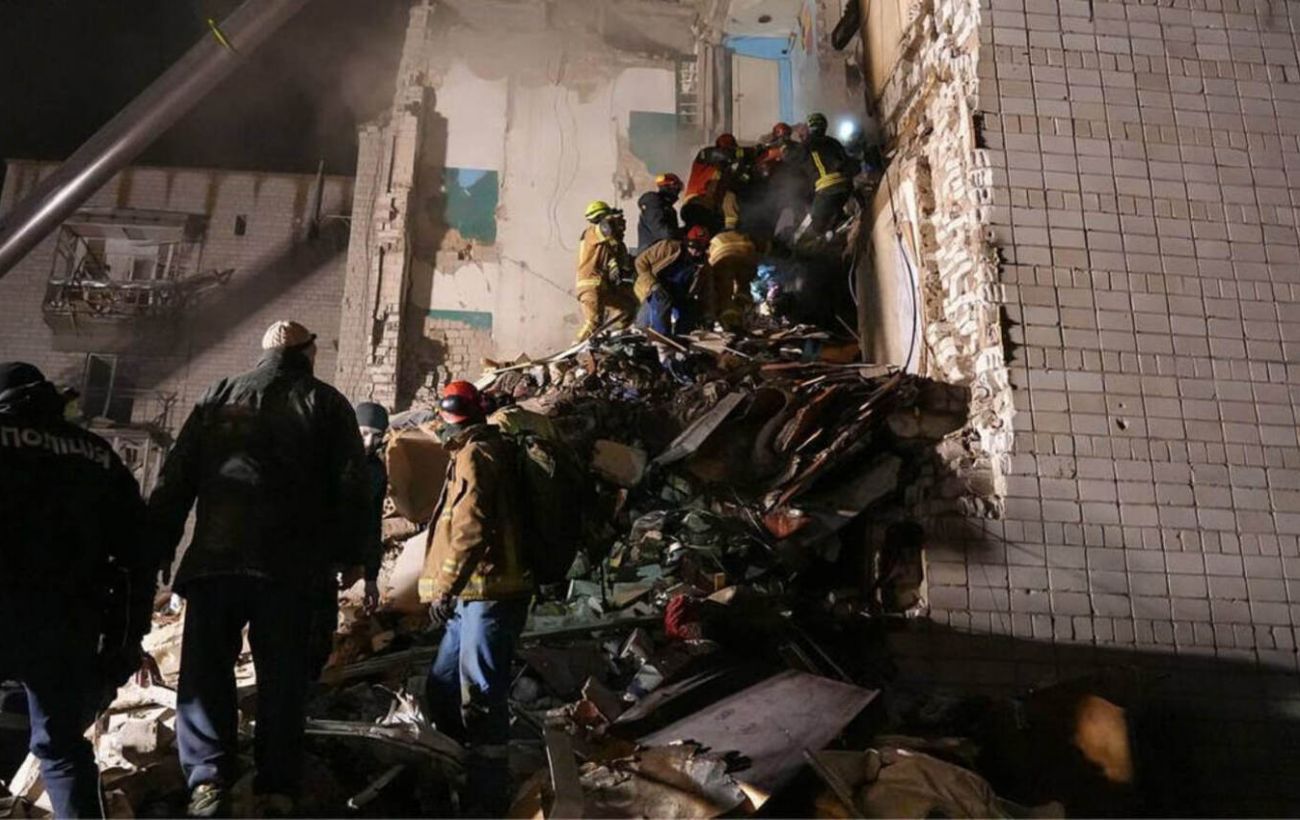
Tragedy in Dymer: Death toll from enemy strike rises to seven
Rescuers have recovered another body from the rubble of a destroyed building in Dymer. Search and rescue operations at the site of the Russian attack are ongoing.
 🇺🇦Ukraine
Donald Trump threatens Iran with new strikes after the New Year
President Trump has warned of potential military action against Iran if diplomatic negotiations fail to yield results by the end of the year.
 🛡️Security
Tragedy in Dymer: Death toll rises to six following drone attack
Rescue teams are clearing debris at a residential building in Dymer, Kyiv region, where a drone strike resulted in six fatalities.
 🏛️Politics
British Minister sharply criticizes Trump's stance on Putin
UK Minister Hamish Falconer has condemned the Russian invasion and rejected any possibility of friendship with the Kremlin, despite Donald Trump's recent claims.