Why the European Robin Constantly Visits Your Garden: Ornithologists Explain
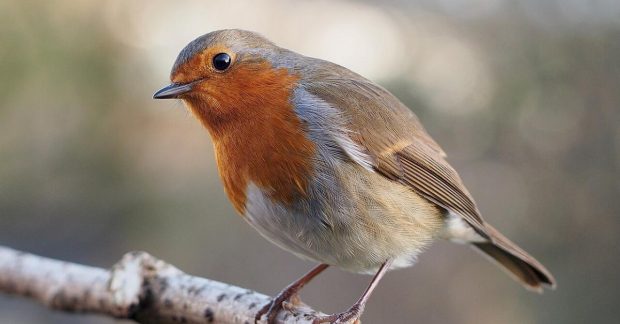
Many gardeners notice small birds with reddish-orange breasts following them while they work. British ornithologists have explained the real reasons behind this behavior.
 🎭Culture & Sport
Photo: UNIAN
Key points
- Robins approach humans in gardens for food rather than out of affection.
- Birds are attracted by insects and earthworms exposed during soil cultivation.
- Robins are territorial and vigorously defend their feeding grounds.
- Experts recommend preserving natural garden habitats and maintaining feeder hygiene.
The appearance of a robin near a person working in the garden is a common sight for many property owners. However, despite popular romantic notions, this behavior does not indicate a special affection or trust toward humans. According to experts from the Royal Society for the Protection of Birds (RSPB), the bird's interest is driven entirely by the search for food.
Why the Bird Stays Close to Humans
When gardeners dig the soil, weed flower beds, or move fallen leaves, they unintentionally expose small creatures that usually hide underground. Robins take advantage of this opportunity, as their diet consists of insects, earthworms, spiders, and other invertebrates. Garden work temporarily makes these food resources easily accessible.
Aside from foraging, a robin's regular presence may indicate that the garden is located within its territory. Robins are quite territorial and fiercely defend the areas where they find survival resources. They signal their presence through song and can react aggressively to other birds of their species or even their own reflection in a window.
How to Properly Care for Feathered Guests
Experts advise maintaining natural garden habitats rather than trying to tame a wild bird. Leaving hedges intact, refraining from clearing away all fallen leaves, and limiting pesticide use are effective ways to attract them. If bird feeders are used, it is crucial to follow hygiene rules: wash them weekly, change their locations daily, and provide fresh water to prevent the spread of diseases.
Source UNIAN — unian.ua/curiosities/chomu-malinivka-ne-vidlitaye-vid-lyudini-v-sad… ↗
Read next
 🧠AI Analysis
Rescue Amid Rubble in Dymer: 89-Year-Old Woman Survives Drone Strike as Death Toll Rises to Nine
In Dymer, Kyiv region, an elderly woman was rescued alive from the ruins of a residential building hit by a Russian drone. Meanwhile, another body was recovered, bringing…
 🛡️Security
Russian corvette 'Mercury' reportedly hit by Ukrainian drones in Libya
A Russian military vessel sustained significant damage in Benghazi, with reports suggesting a potential attack by maritime drones.
 🏛️Politics
Russia tests NATO defense algorithms through airspace violations, says Dmitry Kashchenko
Retired Ukrainian Colonel Dmitry Kashchenko stated that regular incursions by Russian missiles and drones into NATO territory are attempts to test the alliance's reaction…
 🎓Education
Scientists revive 40,000-year-old bacteria: a climate warning
Researchers from the University of Colorado have found that ancient microorganisms from permafrost can reactivate when exposed to warmer conditions.
 🇺🇦Ukraine
US Director of National Intelligence: Putin is not America's friend regarding Ukraine
US Director of National Intelligence Jay Clayton clarified that Donald Trump's diplomatic rhetoric about Putin does not reflect a shift in US stance on the war in Ukraine…
 🛡️Security
Tragedy in Dymer: Death toll from Russian shelling rises to eight
Rescue teams have recovered the eighth body from the rubble of a destroyed building in Dymer, Kyiv region.