Microplastics in water: new study reveals hidden chemical threat
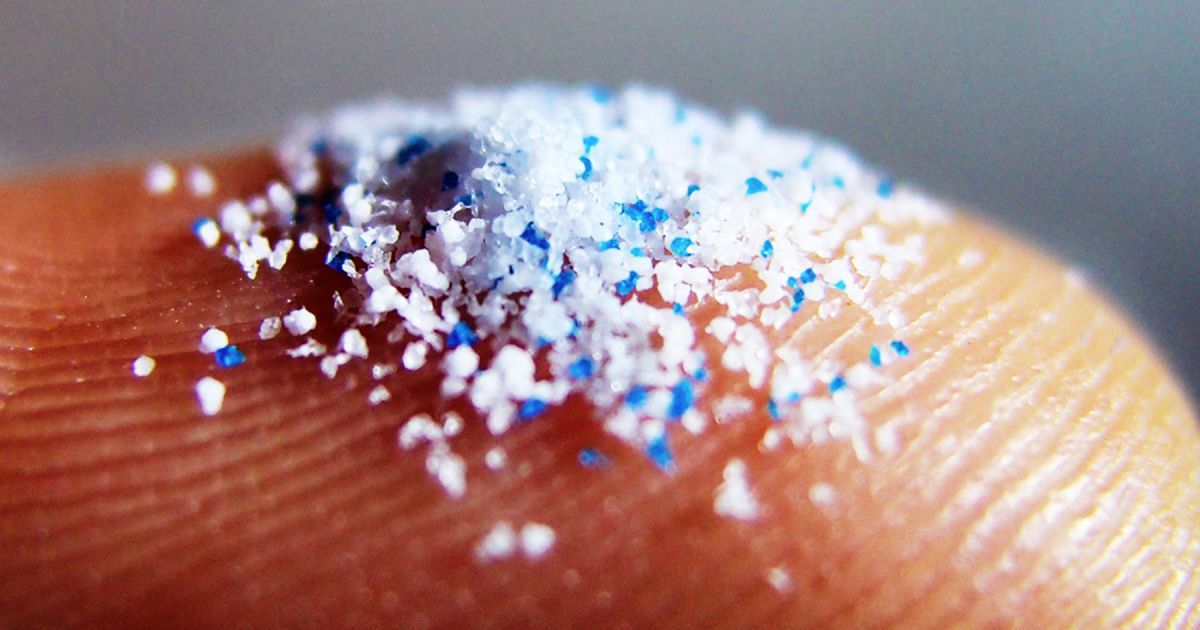
Scientists have found that microplastics can trigger chemical reactions with water, producing compounds that damage living cells.
 🩺Health
Photo: TSN
Key points
- Microplastics generate reactive oxygen species in water
- Chemical activity of plastic can damage cell structures
- Heating plastic accelerates the release of harmful particles
Chemical activity of plastic
A study conducted by researchers at Columbia University and the University of California, Berkeley, has shifted the understanding of microplastics in the environment. It turns out that plastic particles are not just passive debris but act as active chemical agents when in contact with water.
Reactive oxygen species (ROS), including hydroxyl radicals, form on the surface of plastic. This process is driven by the material's hydrophobic properties, which facilitate electron transfer. Experiments demonstrated that these compounds can damage proteins, DNA, and cellular membranes, as observed in tests involving mouse red blood cells.
Impact on daily habits
Researchers tested six common types of plastic, including polyethylene and PET. Polyethylene and polypropylene showed the highest levels of chemical activity. The study emphasizes that the risk increases when plastic containers are heated in microwaves or exposed to sunlight, as these conditions accelerate material degradation and the release of smaller particles.
Source TSN — tsn.ua/zdorovya/mikroplastyk-vyiavyvsia-nebezpechnishym-niz-vvazaly-shc… ↗
Read next
 🚨Events
Unknown assailants commit shooting in Kharkiv: manhunt underway
A fatal shooting occurred in Kharkiv on the evening of November 22, resulting in one death. Police have launched a special operation to apprehend the suspects.
 🛡️Security
Miraculous Rescue of a Boy from Under the Rubble in Dymer: Ministry of Internal Affairs Details
In the town of Dymer, Kyiv region, rescuers pulled 7-year-old David from under the ruins of an apartment building after he spent nearly 14 hours trapped following an enem…
 🇺🇦Ukraine
Polish investigators confirm three Russian missiles violated national airspace
Polish prosecutors have established that three Russian X-101 cruise missiles crossed the country's border during the recent attack, rather than two as previously reported…
 🏙️City
Ukraine's Energy System Faces New Restrictions: What to Expect from Power Outages
On November 23, planned electricity supply restrictions were introduced in parts of Ukraine due to the aftermath of attacks on the energy grid.
 🎭Culture & Sport
Dispute over artificial intelligence: vocal coaches clash on television talent show
During the fifth episode of the show «Holos Krainy-14», a contestant's performance of a song created by artificial intelligence sparked heated debates among star mentors.
 🏙️City
Ukraine's Energy System: Power Outage Schedules for November 23
On Monday, November 23, scheduled power outages will be implemented across Ukraine due to the aftermath of recent energy infrastructure attacks.